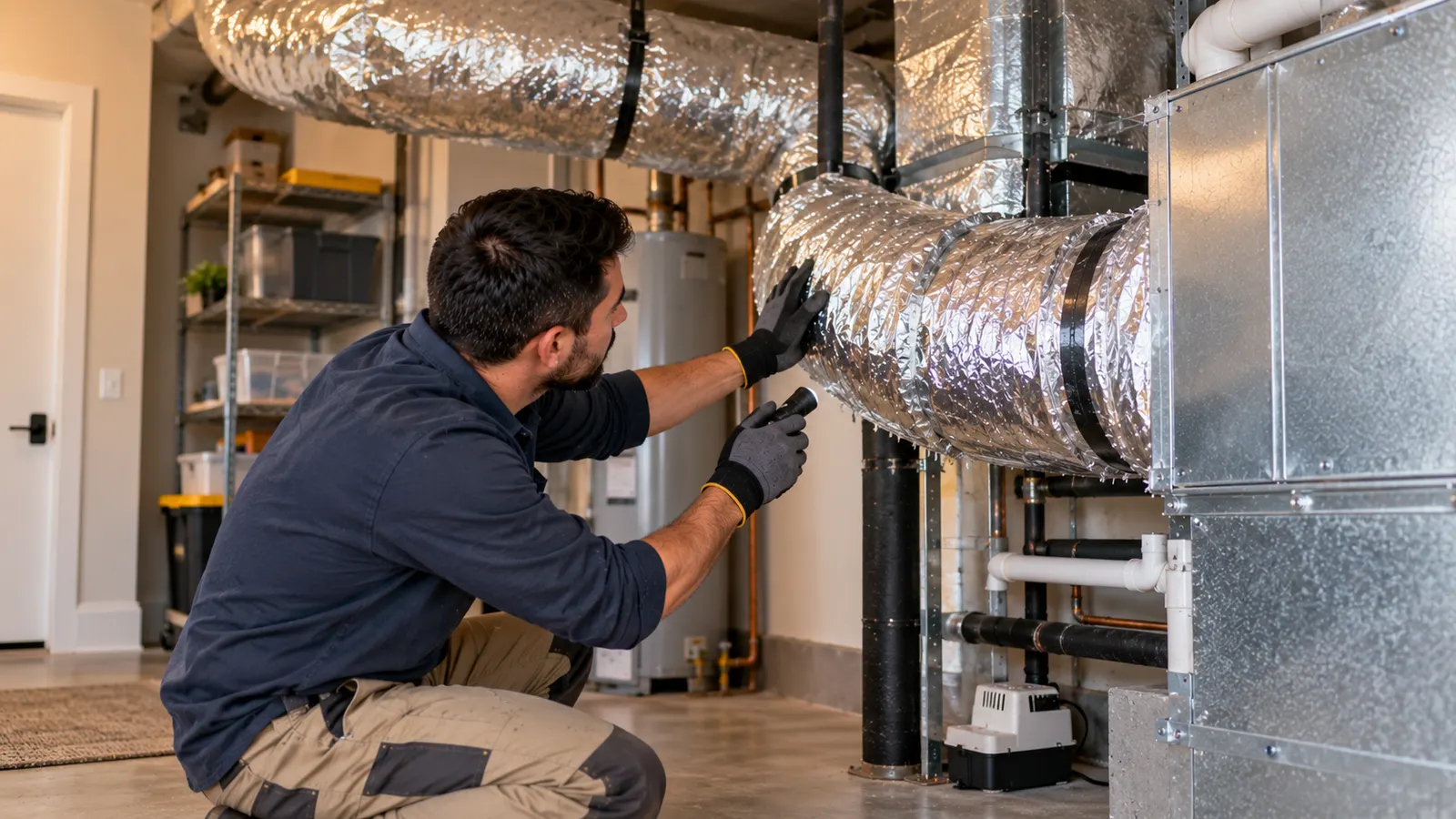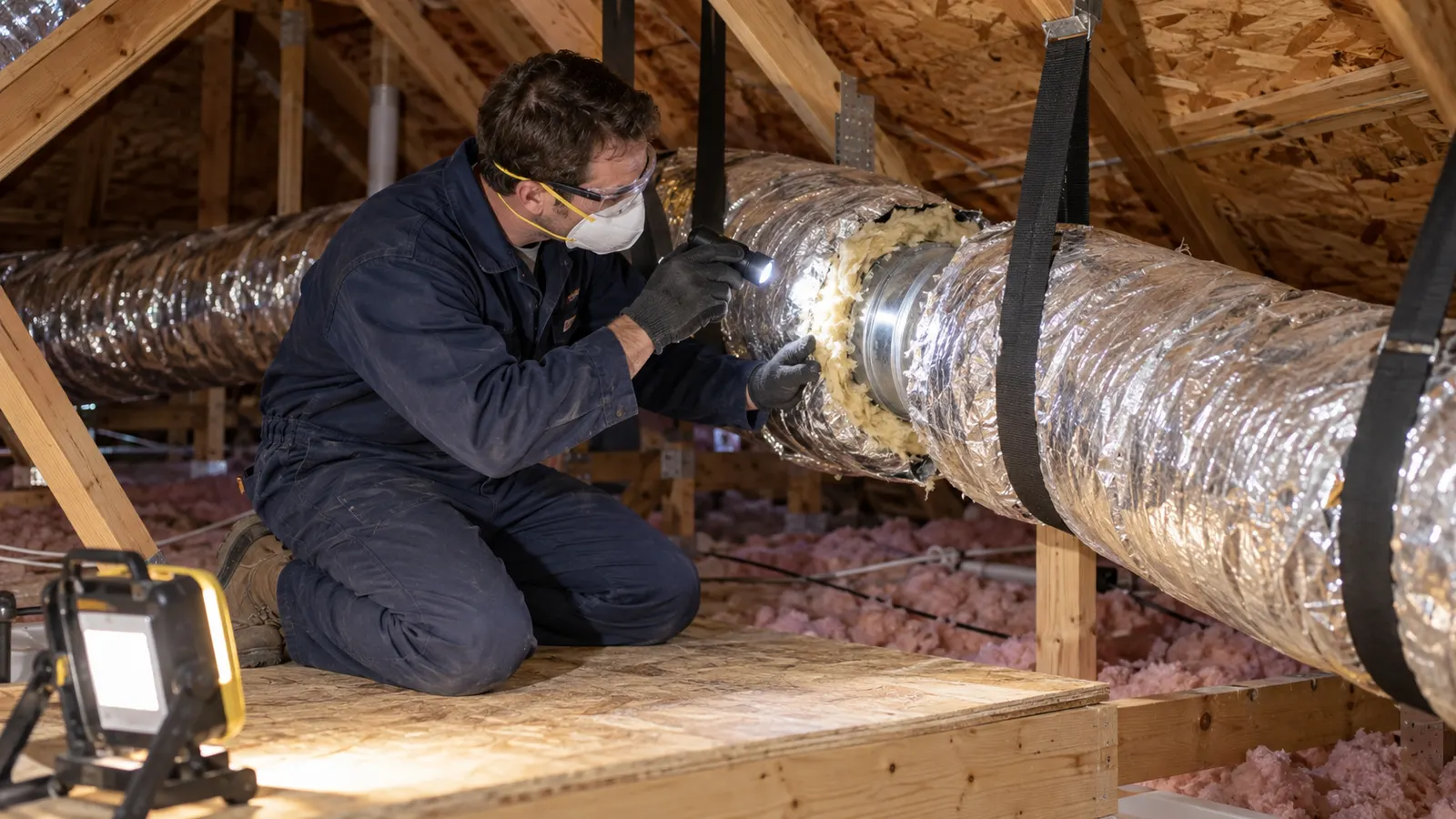
Signs Your Air Ducts Need Repair, Not Just Cleaning
Learn which airflow and ductwork problems cleaning cannot fix, and ask SoCal Green Air & Chimney about repair for your Los Angeles home.
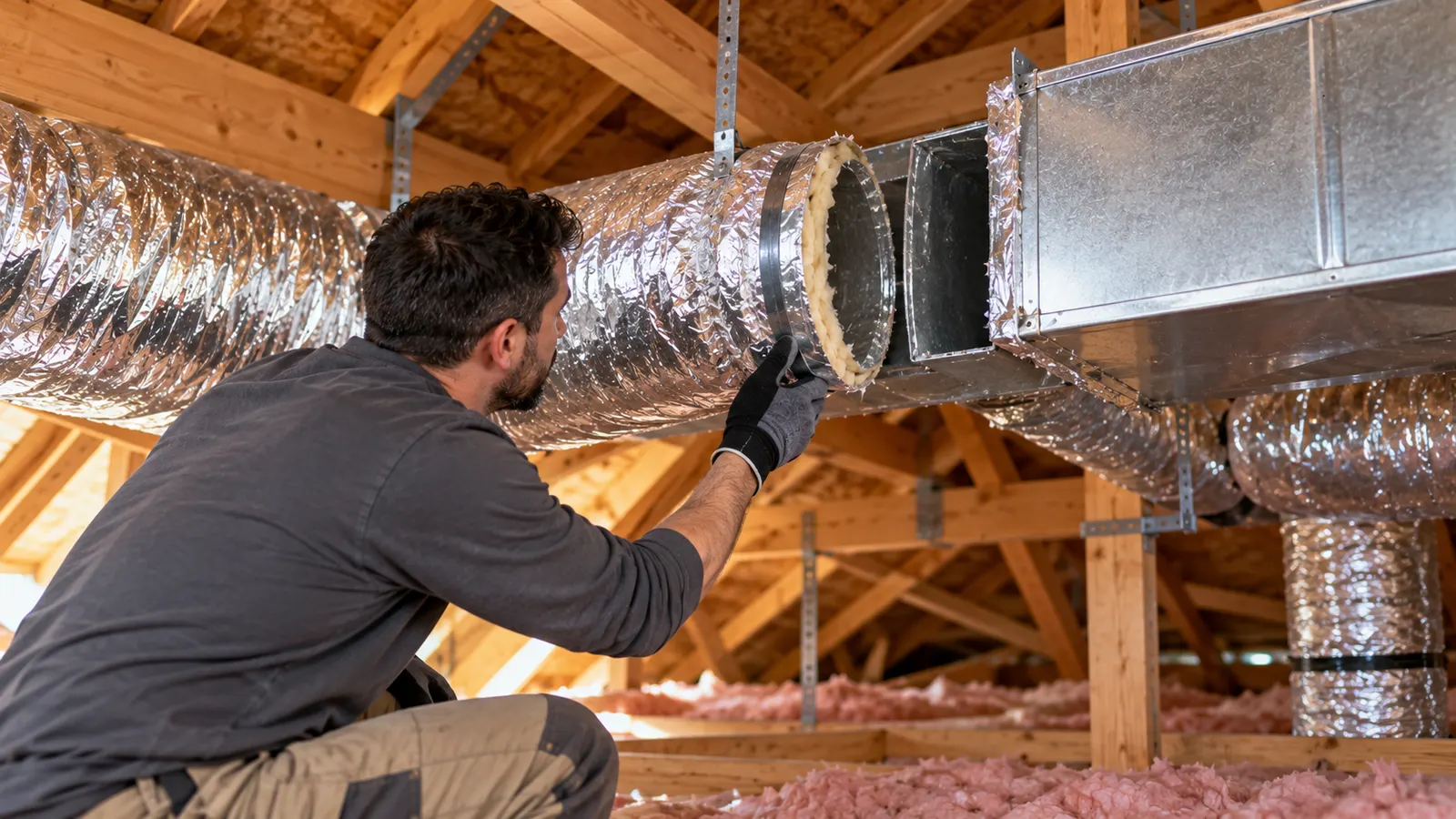
You book duct cleaning because the house feels dusty or one room never seems comfortable. But afterward, the same room is still warm, the vent still whistles, and the heating or cooling feels uneven.
That does not necessarily mean the cleaning was performed badly. The original problem may have involved the ductwork itself.
Cleaning removes appropriate buildup from inside the air path. It cannot reconnect a loose branch, straighten a damaged run, or restore missing insulation.
Recognizing signs air ducts need repair helps you ask for the right service. Start with the symptoms, then have the condition checked before spending money on another cleaning visit.
Why a Clean Duct Can Still Perform Poorly
A duct needs more than a clear interior to deliver air properly. Its connections, shape, support, insulation, and layout all affect the job it does.
Think of a disconnected branch: removing dust from it does not reconnect it to the system. Similarly, cleaning a crushed run does not restore its intended opening.
Repair addresses those physical problems. It may involve sealing suitable leaks, securing connections, correcting supports, or replacing a damaged section.
Some systems need cleaning and repair, but the two services should have separate reasons. Ask what each recommended task will correct and how it relates to your complaint.
One Room Gets Less Air Than the Others
A bedroom or office that receives noticeably weaker airflow deserves investigation, especially when the difference is new.
A damaged, detached, or restricted branch could be involved. However, a closed damper, blocked register, equipment issue, or another system condition may also affect delivery.
Describe the pattern rather than deciding the cause yourself. Does the room struggle during both heating and cooling? Did the problem begin after attic work or a renovation?
Check accessible registers for furniture or curtains blocking them. Avoid changing hidden dampers or entering confined spaces to trace the branch.
If basic checks do not explain the difference, ask about air duct repair and an assessment of the affected run.
A Duct Is Hanging Loose or Looks Disconnected
Visible separation is more direct evidence than a general complaint about dust.
If you can see a detached connection from a safe, accessible position, photograph it without moving the duct. Note its location and whether nearby work recently took place.
The repair should address both the connection and the reason it came apart. A run pulling against its fitting may need support or routing changes as well.
Do not push components together and assume the job is finished. Fastening, sealing, insulation, and the surrounding condition need attention.
An inspection can establish whether the detached section is still usable or whether damaged material needs replacement.
Flexible Ductwork Is Crushed, Kinked, or Unsupported
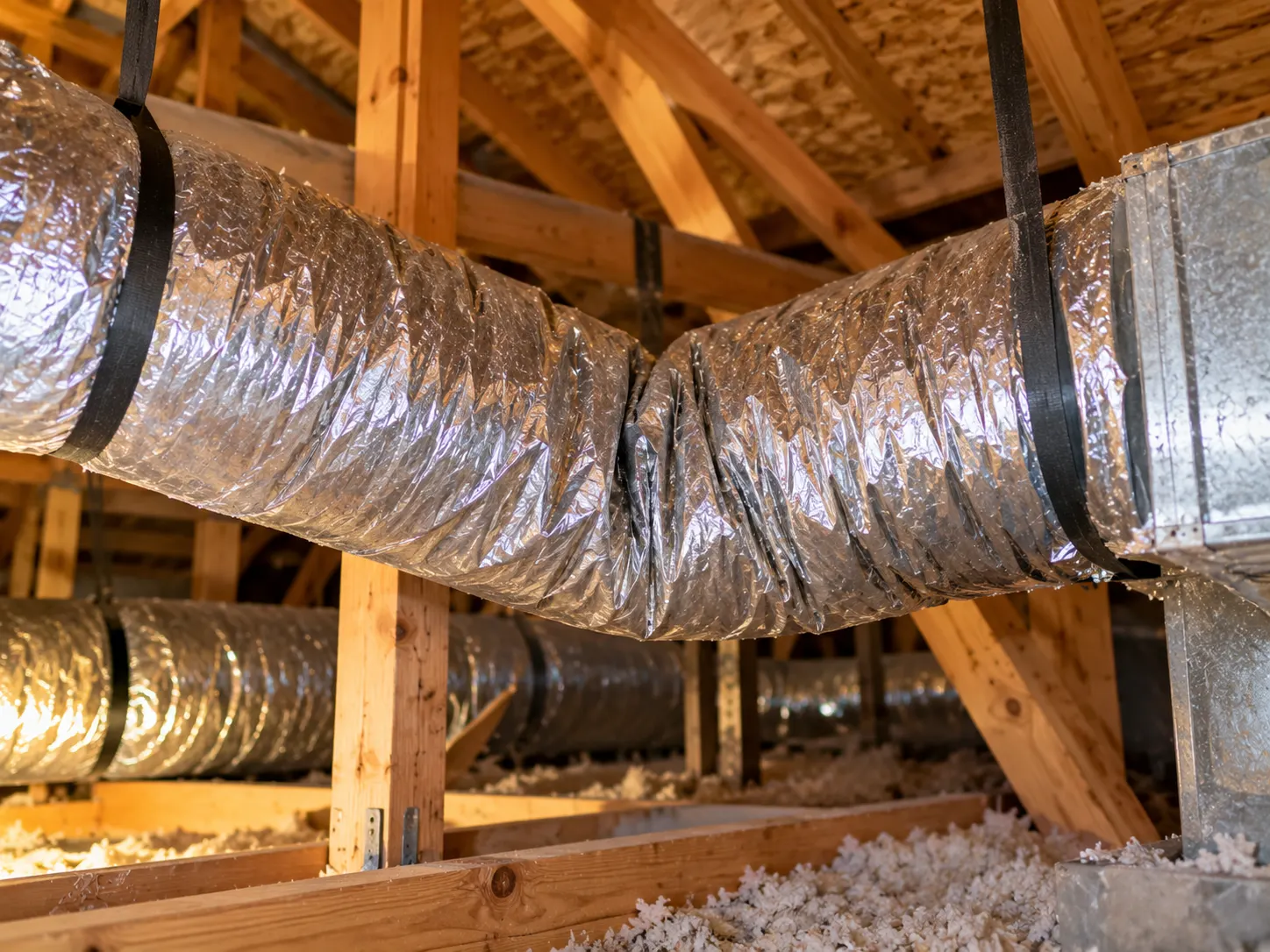
Flexible ductwork should be installed according to its requirements. Tight bends, compression, or inadequate support can interfere with the intended air path.
This can happen during installation or later when storage, maintenance, or other trade work affects the space.
Cleaning cannot correct the shape of a collapsed run. The appropriate solution might involve improving support, changing the route, or replacing damaged material.
A flattened section is not an invitation to climb over other ducts and pull it into shape. Hidden damage and unsafe footing make that a poor way to investigate.
Share any safely obtained photos and ask what correction is needed.
Whistling Appears When the System Runs
A new sound can be useful information, but its location and timing matter.
Whistling may be associated with airflow through a restriction or opening. Registers, filter conditions, equipment, and duct connections can all deserve attention.
Notice whether the sound comes from one outlet, a wall area, or near the equipment. Does it occur at startup, throughout a cycle, or only in a particular operating mode?
Do not assume the duct has a leak simply because you hear noise. An inspection should connect the sound with a finding.
Cleaning may be appropriate for documented buildup, while a damaged connection or restricted run needs a different response.
Insulation or the Outer Jacket Is Damaged
The inner air path and outer layers of an insulated duct do different jobs. A torn jacket or missing insulation can matter even if air still reaches the room.
An outer tear does not automatically establish that the inner liner is leaking. Conversely, an intact-looking exterior does not guarantee everything inside is sound.
Ask which layer is damaged and whether it can be restored appropriately. Wet material also needs investigation of the moisture source, not just a covering placed over it.
Avoid touching exposed fibers or disturbing suspicious material while checking the condition.
A clear report should distinguish jacket, insulation, and air-path damage so you understand the proposed work.
The Trouble Started After Work Near the Ducts
Timing often tells a useful story.
If airflow changed after roofing, electrical work, insulation installation, or storage changes, mention that when you book the visit. A duct may have been moved, compressed, or disconnected.
That is not proof that another contractor caused damage. It gives the technician a place to begin looking.
Tell the provider which area was accessed, what work occurred, and when you first noticed the change. Existing photos or project records may help.
For damage identified after nearby work, SoCal Green Air & Chimney can discuss duct repair services and the appropriate scope.
Dust Returns, but Dust Alone Does Not Prove Damage
Repeated dust complaints can be frustrating, especially after paying for cleaning.
However, household dust comes from many sources. Filter fit, open windows, indoor activities, building leakage, and cleaning routines can all contribute.
A duct defect may be relevant, particularly where an inspection identifies an unwanted opening or damaged connection. But dusty furniture is not enough to establish that.
Describe where the dust appears and whether it changed after maintenance, remodeling, or a filter change. Ask what evidence supports any duct-related recommendation.
If buildup inside otherwise serviceable ducts is the concern, air duct cleaning may be appropriate. If the structure is damaged, cleaning alone leaves that defect unresolved.
Bills Rise Without an Obvious Change in Use
Higher heating or cooling costs can justify checking system performance. They cannot identify duct damage on their own.
Weather, utility rates, thermostat settings, equipment condition, and household routines can affect the bill.
Compare similar periods and note changes in runtime or room comfort. That gives the technician more useful context than a single high monthly total.
If duct leakage or restriction is found, ask how it was established and what the proposed repair targets.
Avoid a guaranteed-savings promise based only on your bill. The practical goal is correcting a documented fault and checking the result.
Cleaning Did Not Resolve the Original Complaint
Before arranging repeat cleaning, revisit why you booked the first service.
Was the concern dust inside the ducts, or was it uneven cooling, noise, a smell, or a struggling room? Those are different questions.
Keep the earlier report and any photographs. Ask what was cleaned, whether damage was observed, and whether the provider recommended additional work.
A cleaning visit can improve the condition it was intended to address while leaving an unrelated defect unchanged.
If the symptom persists, request an assessment matched to that symptom. SoCal Green Air & Chimney offers air duct cleaning separately from structural duct repair.
What You Can Check Without Entering the Attic
You can gather useful information from the occupied rooms.
Note which outlets feel weaker, when unusual sounds occur, and whether the concern affects heating, cooling, or both. Check accessible registers for obstructions.
Follow the equipment instructions for filter care and make a note of the current filter condition. Do not install a more restrictive filter simply because you want cleaner air without confirming suitability.
Leave concealed ducts, electrical equipment, and hazardous access areas alone.
A short list of observations helps you explain the problem clearly and keeps the visit focused on what needs attention.
Before the visit, choose the complaint that matters most to you. For example, explain that the home office receives less air than the hallway, rather than saying the whole system feels wrong. Note whether doors are open or closed when you notice the difference.
That context can help the provider compare conditions and explain the next step. You are supplying observations, not trying to diagnose concealed ductwork from your living room.
Ask for Findings You Can Understand
A useful assessment should connect a symptom to a specific condition.
Ask for photos of accessible defects, the location of affected runs, and an explanation of any measurements taken. Find out what could not be inspected.
If repair is proposed, the estimate should identify the work and distinguish it from cleaning. Reconnecting one branch is different from replacing several damaged runs.
Also ask how the result will be verified. The appropriate checks depend on the fault and scope.
You should be able to explain the recommendation in ordinary language before authorizing it.
Do These Signs Mean Full Replacement?
Not necessarily. A repair warning is a reason to investigate, not an automatic reason to remove every duct.
A contained connection problem may be repairable. A damaged section may need replacement while suitable surrounding ductwork remains.
Broader deterioration or an unsuitable layout can require more work, but the recommendation should be supported by findings.
Ask whether the proposal addresses a local fault, a damaged run, or a system-wide issue. Keep the detailed repair-versus-replacement decision separate from identifying the initial warning signs.
The scope should fit the condition found in your home.
Questions About Duct Damage and Cleaning
Can cleaning fix a leaking connection?
No. Removing debris does not seal or secure a defective connection. A provider may offer both tasks, but they should be identified separately in the proposed work.
Are weak vents always caused by damaged ducts?
No. Airflow complaints can involve registers, dampers, filters, equipment, and system design. Describe the symptom and ask for evidence before selecting the service.
Is a musty smell proof that my ducts are damaged?
No. Odors can have multiple sources. Moisture or suspected contamination needs appropriate investigation, and a smell alone does not establish duct damage or confirm mold.
Will repairs eliminate all dust in the house?
No. Correcting a duct defect addresses that defect. It does not remove every source of household dust or guarantee a particular indoor air quality result.
Should I schedule cleaning whenever I see dust at a vent?
A dusty register alone does not establish that the entire duct system needs cleaning. Ask what is present inside the system and whether another condition explains the complaint.
Can I use ordinary tape on a loose duct?
Household cloth tape is not a dependable substitute for appropriate duct repair materials and fastening. Material selection and the connection’s condition should guide the repair.
What if I cannot see any damaged ductwork?
Much of the system may be concealed. A lack of visible damage from the living area does not establish the condition of hidden runs. Explain the symptoms and ask what inspection is appropriate.
Can repair and cleaning happen during the same project?
They can be coordinated when both are justified. Confirm the order of work, what each service includes, and whether damaged material needs correction before cleaning proceeds.
What should I send when requesting help?
Provide your location, affected rooms, when the problem began, and any recent work near the ducts. Include accessible photos and earlier service records if you have them.
Book the Service That Matches the Problem
If your concern is damaged ductwork, another cleaning appointment may leave you facing the same complaint.
SoCal Green Air & Chimney provides air duct repair for Los Angeles and surrounding service areas from its Tarzana base. Share what you have noticed and ask for an explanation of the findings and recommended work.
A clear plan should tell you whether the issue involves cleaning, repair, section replacement, or another part of the system.
Start with the symptoms. Then choose the service that addresses the condition behind them.